Coping With Pulmonary Hypertension
There is no wrong way to feel about a pulmonary hypertension diagnosis or your first, second, 10th or 20th year of living with the disease.
A pulmonary hypertension diagnosis brings physical, emotional and social change. It may bring relief at finally knowing the cause of your symptoms after a long diagnosis process. It may also bring anger, grief, fear or other strong emotions as you learn more about the road ahead.
Coping, perhaps even thriving, with PH is an ongoing process that varies by person. Common elements include:
- Acknowledging your feelings. It’s normal to experience periods of sadness and depression when living with a chronic illness over the long term, but they don’t last forever. Give yourself time to grieve, reflect and then move forward.
- Connecting with others. Connect with other people living with PH through PHA’s support programs.
- Empowering yourself. A PH diagnosis may feel like a loss of control, but you can empower yourself to be your own advocate. Learn more about PH and educate others about how they can best support you.
- Reflecting on purpose. Look for a goal or activity that can provide you with forward momentum even during difficult times.
- Preparing for change. No matter how long you’ve lived with PH, unexpected changes and challenges can arise. Revisiting your coping skills throughout your PH journey can help.
- Seeking professional help from a therapist or other mental health professional.
Are you a caregiver?
If you are a family member or friend who spends a lot of time taking care of a person with PH, you can begin to feel emotionally or physically exhausted, putting your own health at risk. It’s important to prioritize your well-being, not just for yourself but also for your loved one with PH.
Caregiving
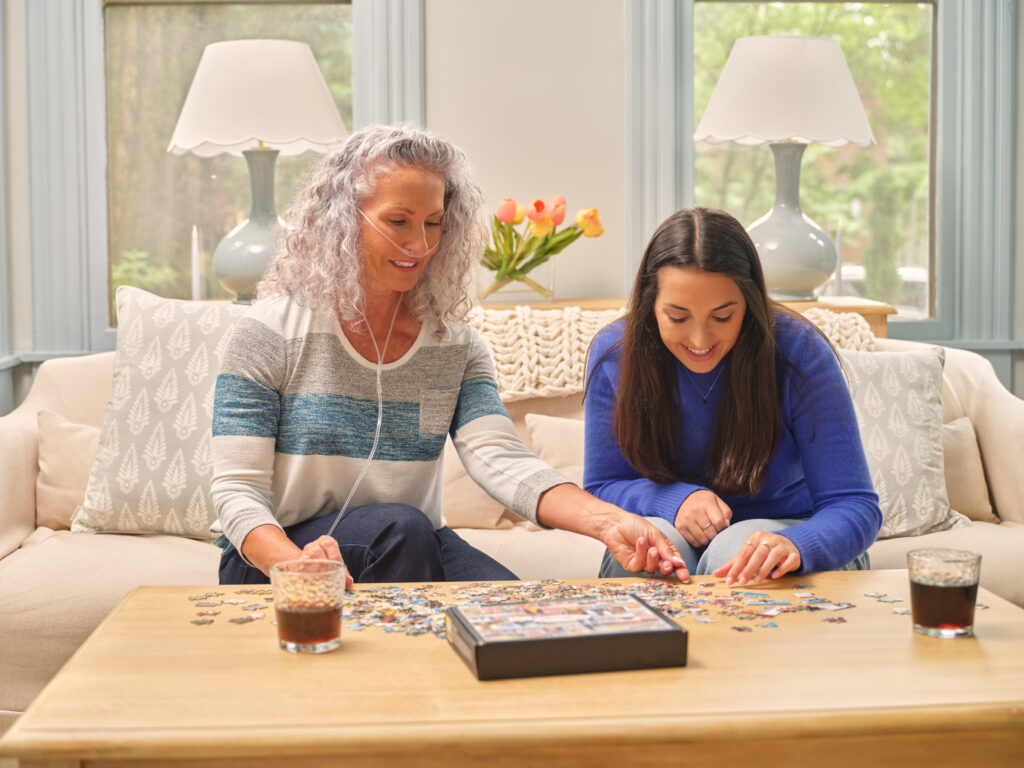
If you experience any of these emotions more often or more intensely than usual, ask your PH care team or your primary care physician to connect you with a mental health professional. A therapist can properly assess what you’re experiencing and feeling and help you live your best life with PH.
Stress is the feeling of being overwhelmed, worried or run-down. Stress is a natural part of life that affects people of all ages, genders and circumstances. It can lead to physical and psychological health issues. When combined with a chronic illness such as PH, stress can become difficult to manage. Try to identify everyday activities and techniques to reduce stress and know when to ask for help.
Anxiety is characterized by feelings of tension, worried thoughts and physical changes, such as increased blood pressure. People with anxiety often have recurring thoughts or concerns that interfere with daily life. You might avoid certain situations because of worry. You also might have physical symptoms such as sweating, trembling, dizziness or rapid heartbeat. Ask your doctor about appropriate resources.
Burnout is a state of mental exhaustion that results from ongoing stress and inadequate or lack of self-care. Burnout can accompany increased anxiety and sometimes is an early sign of depression.
Survivor’s guilt is common to PH patients who outlive a friend or loved one, particularly someone else who also has PH. Survivors may find themselves wondering why they are alive while their loved one isn’t and experience, depression, anxiety or emotional numbness as a result. As with anxiety and depression, acknowledging feelings and seeking connection are valuable, but professional support from a therapist or social worker may also be necessary.
Some people experience denial, where they protect themselves by refusing to accept the reality of distressing situation. Although denial is a coping mechanism that gives you time to adjust to that situation, prolonged denial can interfere with treatment or your ability to manage aspects of your disease.
-
Caring for a Child with PH
Caring for a child diagnosed with pulmonary hypertension means making informed choices and ensuring your child receives the best care possible. Learn about the resources available as your family adjusts to life with this illness.
Living with PH | Pediatric PH
-
Depression
Depression is a common, serious medical illness that negatively affects how you feel, the way you think and how you act. Fortunately, it also is treatable. Depression causes feelings of sadness and/or loss of interest in previously enjoyable activities. Many people affected by PH suffer from periods of depression. Therefore, it’s important for you and your family to learn its warning signs.
Recognizing depression
Find support
Connect with support in a way that fits your needs.