


Traveling with pulmonary hypertension presents dozens of logistical challenges: Arranging oxygen and medications, ensuring adequate supplies for the length of the trip, scheduling wheelchair access for flights and reserving accessible lodgings. But those challenges and others can be managed with smart planning.
- Assess how you’re feeling
- Check in with your PH provider
- Do your research
- Tips for your travel companion
- Reserve your seat in advance
- Arrange transport assistance
- Contact your specialty pharmacy
- Prepare for delays
- Medication packing tips
- Clarify your lodging needs
- Consider elevation/altitude
- Consider the climate
Before you go
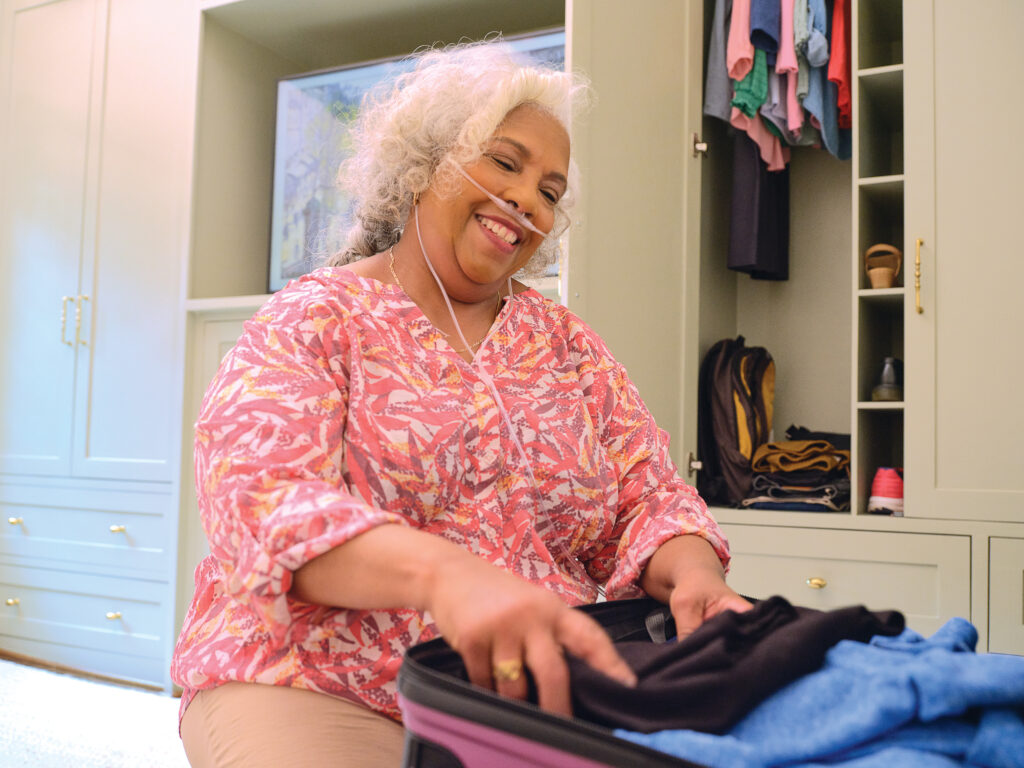
If you’re planning a trip that involves air travel or high altitudes, take steps to ensure you have enough supplemental oxygen to breathe easily in flight and on the ground.
Oxygen travel tipsIf you’re not feeling well, you might want to reconsider your trip. Ask your PH doctor or nurse practitioner what they think.
You might need additional authorization for medical clearance to travel, oxygen, medications, supplies and other assistive devices. Discuss hydration, diuretics and dietary restrictions related to your planned activities and air travel, which can cause you to retain water.
Ask your PH specialist to help you come up with a plan in case you develop swelling in the legs, worsening shortness of breath, fatigue or other symptoms. Ask who they would recommend you contact in the area where you’re traveling if you need medical attention.
If your medication requires Risk Evaluation and Mitigation Strategies, ask your physician for a REMS override, especially if you’re travelling internationally or for more than 30 days.
If you’re traveling by plane, remember that air travel can decrease blood oxygen levels. Even if you don’t need supplemental oxygen at home, ask your PH specialist whether you might need for oxygen on the plane.
Note: You might need to provide information to an airline or durable medical equipment company to get oxygen devices for your trip. Ask your provider for a letter describing your condition, why you need oxygen and the flow rate per minute.
Look up PH centers near your destination. You’ll want to identify a facility that could help you or contact your doctor if something goes wrong. That’s especially important if you have a pump because not every hospital or doctor knows how to treat PH.
If you’re traveling with someone other than your caregiver, familiarize them with your health issues and what to do in case of an emergency. If you have a pump, make sure your travel companions know to tell emergency responders not to use your line for any other medications and that your medication can’t be stopped.
Before booking a flight, cruise or train trip, check policies for in-flight oxygen or portable oxygen concentrators. Airline requirements for traveling with portable oxygen, medical forms and batteries differ among carriers.
When flying, make your reservation as early as possible. Reserve your seat when you make your reservation to maximize your chance of getting a seat with good leg room. Print out your boarding pass or save it to your digital wallet before you go to ease the stress of check-in.
When traveling by ship, call your cruise line at least four weeks before departing if you’re traveling with oxygen. Before you go, arrange portable system refills at ports of call.
If you’re traveling by train in the U.S., you’ll need to call Amtrak to reserve your ticket. You can’t make an online reservation if you’re bringing oxygen equipment aboard.
Let the airline, cruise line or train know you might need assistance getting to and from the gate. Transport assistance can prevent you from becoming breathless, get you through security quicker and ensure you board earlier.
As your specialty pharmacy about getting enough medication for the length of your trip, plus extra doses, in case of delays. Certain medications like epoprostenol require pumps, cooled storage and extra supplies.
Ask your pharmacy for a vacation override, which your insurance might require for early refills. Some plans allow only one vacation override a year, so check your insurance company’s rules.
Pack extra medication in your carry-on luggage. Carry extra tubing, needles, backup pump and extra medication. If you need to keep your medication cool, bring six to eight ice packs and a premixed dose. Anticipate how you will handle flight delays or cancellations.
Pack all medication in original prescription bottles. Make sure you call all medication with you, especially if you travel by plane. Don’t pack medication in checked baggage. Make sure you’ll have enough medication when your return home.
Prepare an updated list of your medicines. List your medical conditions, doctor information and allergies. Consider adding that information in the health settings in your smart phone. Be sure to set “emergency access” to “show when locked.” Include copies of your prescriptions. If you don’t feel comfortable adding that information to your phone, save it to a thumb drive and carry it with you.
Ask about a refrigerator in the room and whether the freezer has a door. Explain that you need it to refreeze your ice packs. Ask whether there’s an elevator or whether the property can guarantee a room on the ground floor.
Before vacationing in a high-altitude location, discuss the impact of altitude with your PH specialist. The higher the elevation, the less oxygen in the air. You might want to rule out destinations that are too high to visit or have too many stairs.
Whether in an airplane or on the ground, the effects of high altitude are significant for people with pulmonary hypertension. Lower pressure in the atmosphere causes a lower level of oxygen in the blood.
In healthy people and people with PH, blood vessels in the lungs constrict at high altitude, which can increase in pulmonary pressures. Increased pulmonary pressure can worsening PH symptoms and decrease exercise capacity.
Research indicates that some people have a genetic tendency to respond abnormally to low oxygen (hypoxic) environments, which can further magnify the effects of high altitude. People who use supplemental oxygen need to be particularly aware of the body’s increased need for oxygen at higher altitude.
Before planning a trip, consider the effects of weather on your body. Low humidity can worsen PH symptoms. Very dry air can irritate the lungs and cause you to feel worse than usual. Read our Climate and PH section to learn what to keep in mind.
Traveling abroad?
Besides making sure your passport is up to date, check whether your destination country has laws against bringing medical supplies into that country. You might need special documents to enter the country with medication.

On the road
Whether you’re traveling by plane, train, automobile or ship, consider these success strategies:
Whether traveling by train, plane, automobile or ship, tell the gate agents if you arranged wheelchair assistance before your trip. Check in well ahead of boarding time, and allow extra time to move through the ticketing area and security checkpoints.
Stand up and walk a short distance every hour or two hour to avoid blood clots, especially if you’re on a plane or long train trip. Consider wearing compression socks or stockings, especially if you’ve had blood clots in the past. Long periods of inactivity during travel can raise the risk of developing a blood clot.
Don’t change doses during your trip without a PH specialist’s approval. Travel takes you out of your routine, and it’s easy to lose track of time, especially medication times. Consider using an app on your phone, watch or tablet to remind you when to take your medication. Pro trip: Refill your pill holder and pack it in your day pack before going to bed each night.
Try to avoid high-sodium food while you travel so you don’t retain extra fluid. Try to eat lightly with lots of fruits and vegetables and limit the temptation to eat fast food.
Rest when you need to, and don’t feel pressured to do every activity. Accept your limitations. While exploring, it’s OK to be at the back of the group if that’s what you need to do.
Always carry contact information for your PH specialist and specialty pharmacy, and give travel partners a copy. In case of illness or hospitalization, ask the attending doctor or nurse to notify your PH physician. Make sure your travel partner knows to tell emergency responders or ER clinicians they can’t use your central line if you need an IV.
Need PH care on the road? Check out our list of doctors throughout the country who treat PH.
Find a specialist