Newly Diagnosed
Learning that you have pulmonary hypertension can be overwhelming, but you’re not alone, whether you have a type linked to left heart disease or sleep apnea or a rare form of pulmonary arterial hypertension. Your journey is unique to you, and we’re here to help you feel supported and provide you with the information you need.
The Pulmonary Hypertension Association website offers information on everything from finding support, understanding the disease and learning about medications to navigating stress, managing insurance and preparing for emergencies.
While there’s currently no cure for most forms of PH, there are PH-specific therapies available to manage your symptoms and improve your quality of life. Exercise, nutrition and sleep can help with energy levels and our online and in-person network offers a community of support.
Here are some places to begin.
-
What Is Pulmonary Hypertension?
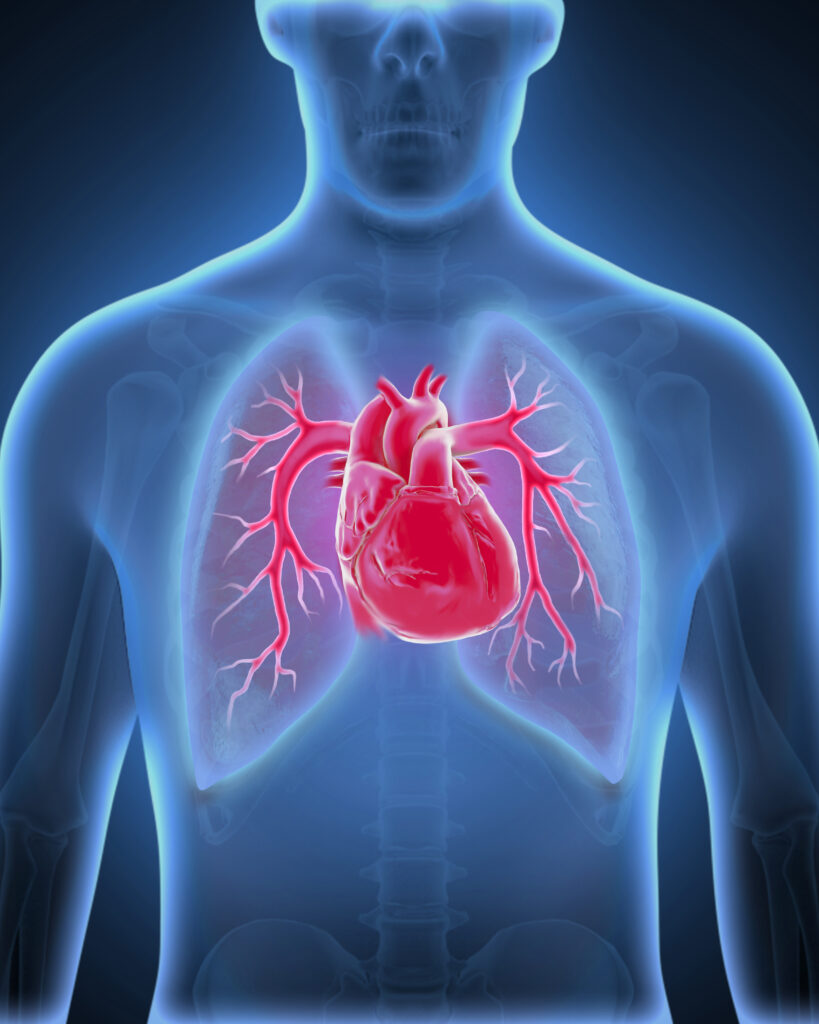
Pulmonary hypertension, or high blood pressure in the lungs, refers to a serious condition in which the blood vessels in the lungs become stiff and narrow, putting strain on the right side of the heart.
-
Diagnosing Pulmonary Hypertension
Common symptoms, many causes and a variety of tests can make pulmonary hypertension difficult to diagnose. Knowing what symptoms to look for and diagnostic tests that provide critical information can lead to an earlier diagnosis and better outcomes.
-
Related Conditions
Some types of PH are secondary to an associated condition, such as sleep apnea, lupus or sarcoidosis. Sometimes PH may improve when the underlying condition is successfully treated.
-
Treatments for Pulmonary Hypertension
Treatments for pulmonary hypertension include targeted medical therapies, surgeries and other procedures, and supportive therapies such as oxygen or drugs that improve the function of the heart and lungs.
-
PHA Classroom
PHA Classroom is a 24/7 educational platform that features videos and resources on a variety of medical and lifestyle topics for people with PH and their families.
-
Coping With Pulmonary Hypertension
There is no wrong way to feel about a pulmonary hypertension diagnosis or about your first, second, tenth or twentieth year of living with the disease.
-
-
-
Caregivers
Caregivers or care partners provide essential support to an individual with pulmonary hypertension, from coping to managing care.
-
Your PH Care Team
Your care team includes health care professionals who care for people with pulmonary hypertension, and most importantly, you.
-
Caring for Your Loved One
Caring for your spouse, child, parent or friend with pulmonary hypertension may seem overwhelming, but the Pulmonary Hypertension Association’s resources and community of caregivers, patients and health care professionals can help.
-
Caring for a child with PH
Caring for a child diagnosed with pulmonary hypertension means making informed choices and ensuring your child receives the best care possible. Learn about the resources available as your family adjusts to life with this illness.
-
Find a PH Specialist
All PH specialists on the list are members of PHA’s Pulmonary Hypertension Clinicians and Researchers membership network.
-
Managing Your Health
Find tips for medication and treatments, plus information on nutrition, exercise, mental health, respiratory health, reproductive health and palliative care.
-
Managing Daily Life
Balancing your health with a job, travel and day-to-day activities can sometimes be overwhelming. Find tools, tips and resources to manage those challenges and prepare for emergencies.
-
Insurance and Financial Assistance
Discover resources to help you understand your health insurance benefits, Medicare and Social Security Disability. Plus, find financial assistance to help you pay for your medication and other health services.
-
Identifying Urgent PH Symptoms
Knowing which symptoms are common to individuals with pulmonary hypertension and which require immediate attention is important to learn for both patients and caregivers.
Navigating Pulmonary Hypertension
The Pulmonary Hypertension Association offers an easy-to-read, yet comprehensive publication about PH.
“Navigating Pulmonary Hypertension: A Guide for Newly Diagnosed Patients,” is available in English and Spanish. The free booklet provides an overview of diagnosis, treatment, symptoms and quality of life, as well as checklists, resources and questions to ask doctors.
Download or order a print copy

PHA offers a variety of support. Connect with someone today.
Call the support line at 800-748-7274.
Need help organizing your medical information?
Download the Empowered Patient Toolkit. PHA’s series of PDFs will help you track your medications, inform emergency medical personnel and remind you about important health tips.
Download the toolkit
Being prepared and having questions ready to ask your doctor will help you communicate effectively about your needs and expectations. Coordinating appointments and managing medications may take some getting used to. Here’s how to prepare for your first appointment.
While you’ll have time in the future to learn the ins and outs of PH, having a basic understanding of the illness and some common PH terms will be helpful for your first appointment.
Visit PHA’s insurance guide for general information and resources to help you assess your situation. Make sure you know the answers to the following questions before your appointment:
- Do you have prescription coverage?
- What is your copay structure?
- Do you need referrals and prior authorization and how do you obtain them?
- Note the names of your doctors and their contact information
- Maintain a written list of all your medications. Include the following information on the list:
- Name of medication
- Dosage and frequency
- Why you take the medication
- When you began taking it
- Which physician prescribed the medication
- Sign up for your electronic medical records or obtain a written copy.
- Track your test results and labs.
Bring this list with you to your appointment. If the doctor wants to order a test, procedure or new medication, you can add the following questions to your list:
- What is the test, procedure or medication?
- Why do I need it?
- What will be done during the test?
- How will the test results affect how you treat me?
- How often will I need to have it done?
- What are the potential complications and/or side effects?
Don’t be afraid to tell your doctor if you don’t understand an answer or explanation.
Ask a family member or friend to accompany you to your appointment. Your loved one can provide support in the waiting room, confirm that you ran through all your questions and take notes on your doctor’s responses. Refer your loved one to our caregivers section to for more information about providing care and support to a PH patient.
Meeting a new doctor can be daunting but remember that while your doctor is an expert in his or her field, you are the only one who knows exactly how you’re feeling. Remember – no one knows your body better than you.
Busting myths about PH
Pulmonary hypertension is a widely misunderstood and misrepresented condition and some of the alarmist and misleading information found on the internet doesn’t help. A PH specialist addresses some of the common myths you may have heard about PH and provides accurate, evidence-based information.
Learn more