Because pulmonary hypertension strains the heart and lungs, people with PH are considered a high-risk group for complications from respiratory infections.
This risk is even higher for people with PH who are on immunosuppressant drugs, which are commonly given for autoimmune disorders or after organ transplant.
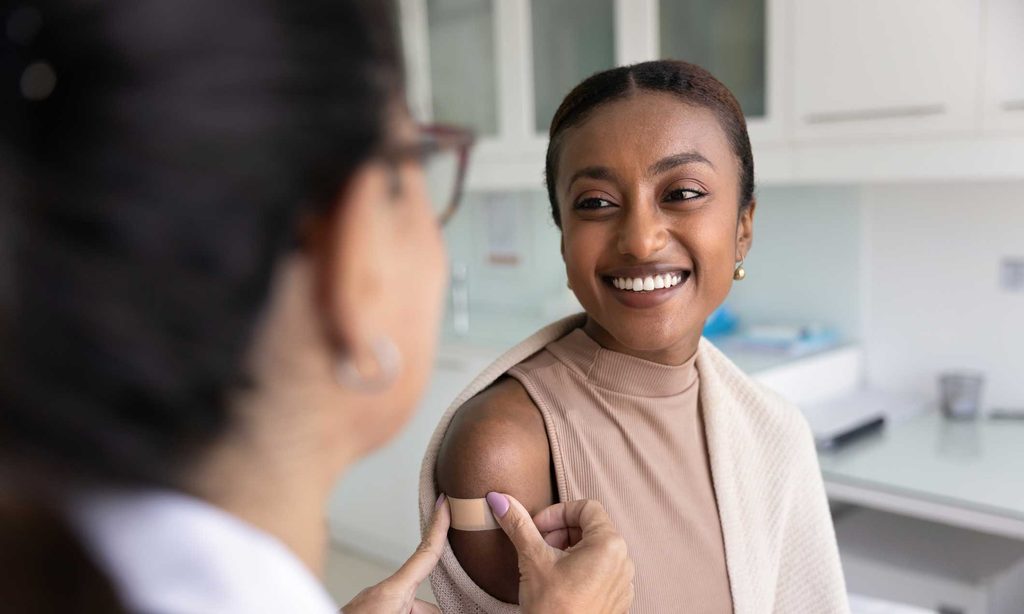
Fortunately, vaccines provide protection against catching several common infections.
Vaccines also provide protection by reducing your risk of severe disease if you do become infected.
Vaccines for adults with PH
The CDC provides a comprehensive list, though it does not specifically mention the benefits of vaccination to people with rare diseases like PH.
In general, experts recommend that adults with PH receive the following immunizations:
Annually:
- Flu (influenza) shot. A high-dose flu shot is recommended for 65+.
- COVID-19 booster
When: September and October are ideal. This gives your immune system time to build protection before peak flu season hits.
Less frequently:
- Pneumonia vaccine, generally just once in a lifetime. (However, depending on the type of vaccine you receive, you may need a second dose one year later.)
- RSV vaccine, just once.
- Tdap booster, every 10 years. This protects against tetanus and two serious respiratory infections, diptheria and pertussis.
- HepB vaccine, for protection against hepatitis B, if not already given in childhood. It’s especially useful for people who are immunocompromised.
Vaccines for kids with PH
Just like adults, kids with PH are at higher risk of complications from respiratory infections. Vaccines are a critical way to lower their risk. Your child’s healthcare team can provide guidance on which vaccines to receive, and when.
“We recommend all vaccines including COVID, flu and RSV (when appropriate) as well as all routine pediatric vaccines,” said Megan Griffiths, MD, director of the pediatric pulmonary hypertension program at University of Texas Southwestern in Dallas.
Note: The current federal administration wants to limit the CDC’s list of recommended vaccines for children. As of fall 2026, a federal court order has blocked these changes.
While the guidance is in flux, PHA recommends the childhood vaccine guidance from the American Academy of Pediatrics.
Be proactive and ask
Research shows that PH patients tend to be under-vaccinated.
This means you may have to be proactive and ask your doctor or PH healthcare team about which vaccines you need. They may not bring up vaccinations during check-up visits.
Organ transplants and vaccines
Whether you’re awaiting transplantation, or have received an organ transplant, be sure to closely follow your healthcare provider’s guidance on which vaccines you need, and when. This guidance may vary from standard recommendations.
Other respiratory health tips
To keep your lungs as healthy as possible:
- Make sure everyone in your household is up to date on vaccines, not just you.
- Wash hands frequently.
- Do not smoke and limit exposure to secondhand smoke.
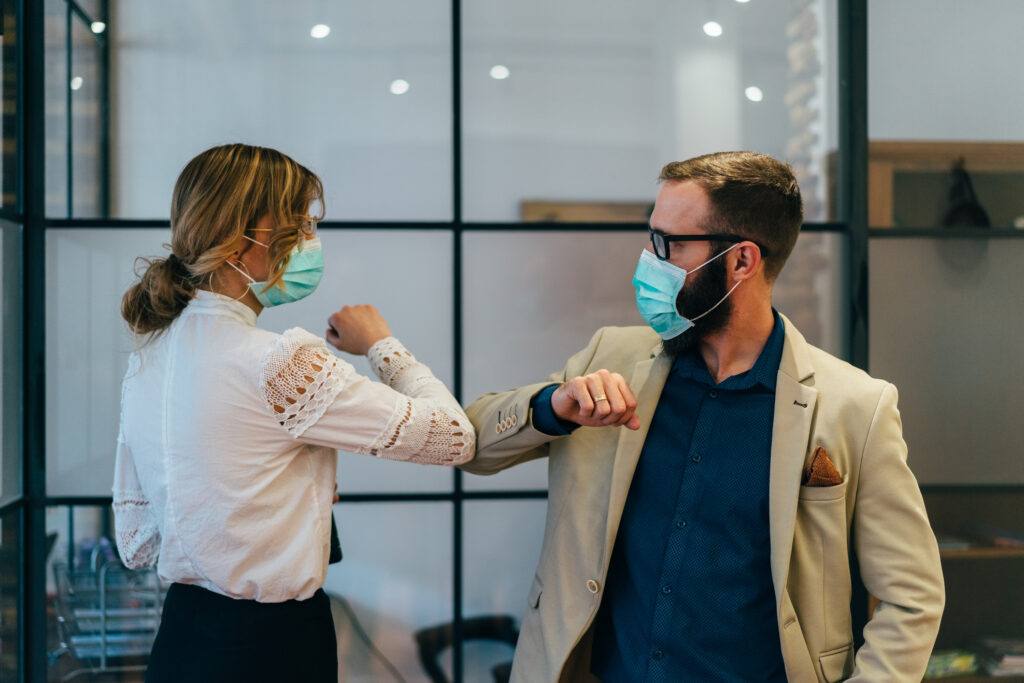
- Wear a mask in situations where you may be exposed to many people who are sick, such as the airport. (Talk to your healthcare provider if wearing a mask makes it harder to breathe or receive oxygen.)
- Stay indoors when air quality is bad. You can monitor air quality in your area through AirNow.gov. If you must go outside, wear an n95 mask (see advice above).
- Use a home air purifier if exposure to respiratory irritants is a concern.
- Take all medications as recommended.
- Eat a healthy diet and get physical activity as recommended.
Respiratory Health Safety Policy
View PHA’s safety policy before attending an in-person event.
View policy