


The right heart catheterization, commonly called the right heart cath or RHC, involves a small tube or catheter that is guided through a vein in the neck, arm or groin area into the right atrium of the heart. This procedure is typically done at clinics with expertise in PH.
Several pressure readings are then taken as the tube is guided through the right ventricle into the pulmonary artery. Sometimes blood is also drawn from the catheter tip.
(Average) or Mean Pulmonary Arterial Pressure (mPAP)
The pulmonary artery carries blood from the right side of the heart to the lungs to acquire oxygen. Normal pulmonary arterial pressure ranges from 8 to 20 mmHg (millimeters of mercury) at rest. People with PH will generally have an average resting pulmonary artery pressure above 20 mmHg.
Testing the heart muscle
During this process, a doctor will calculate how much blood the heart can pump in a minute (cardiac output) and take a reading called a “wedge” pressure. A “wedge” pressure reading can help indicate left heart disease which contributes to Group 2 PH. In this test, a balloon is inflated at the end of the catheter and wedged into a smaller section of one of the pulmonary arteries, blocking blood flow. Patients with PAH (Group 1 PH) will have normal wedge pressure.
The resulting reading (PAWP) reflects pressure in the left atrium. Elevated pressures indicate post-capillary PH that often occur due to problems with the left side of the heart or diastolic dysfunction.
A normal wedge pressure and elevated mPAP typically seen in PAH indicates the high pressure is occurring before the capillaries in the lung.
Click on the heart images to view the captions.
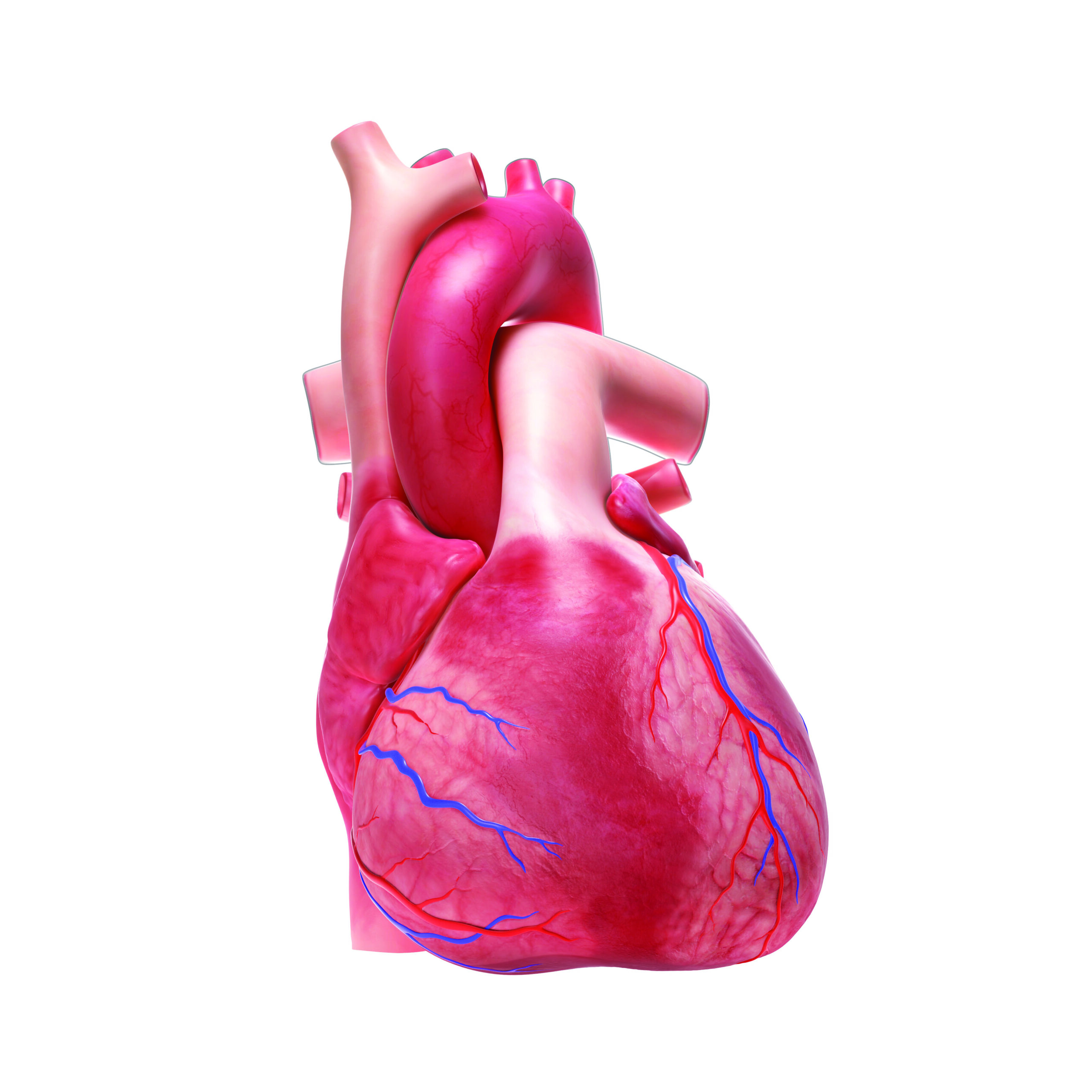
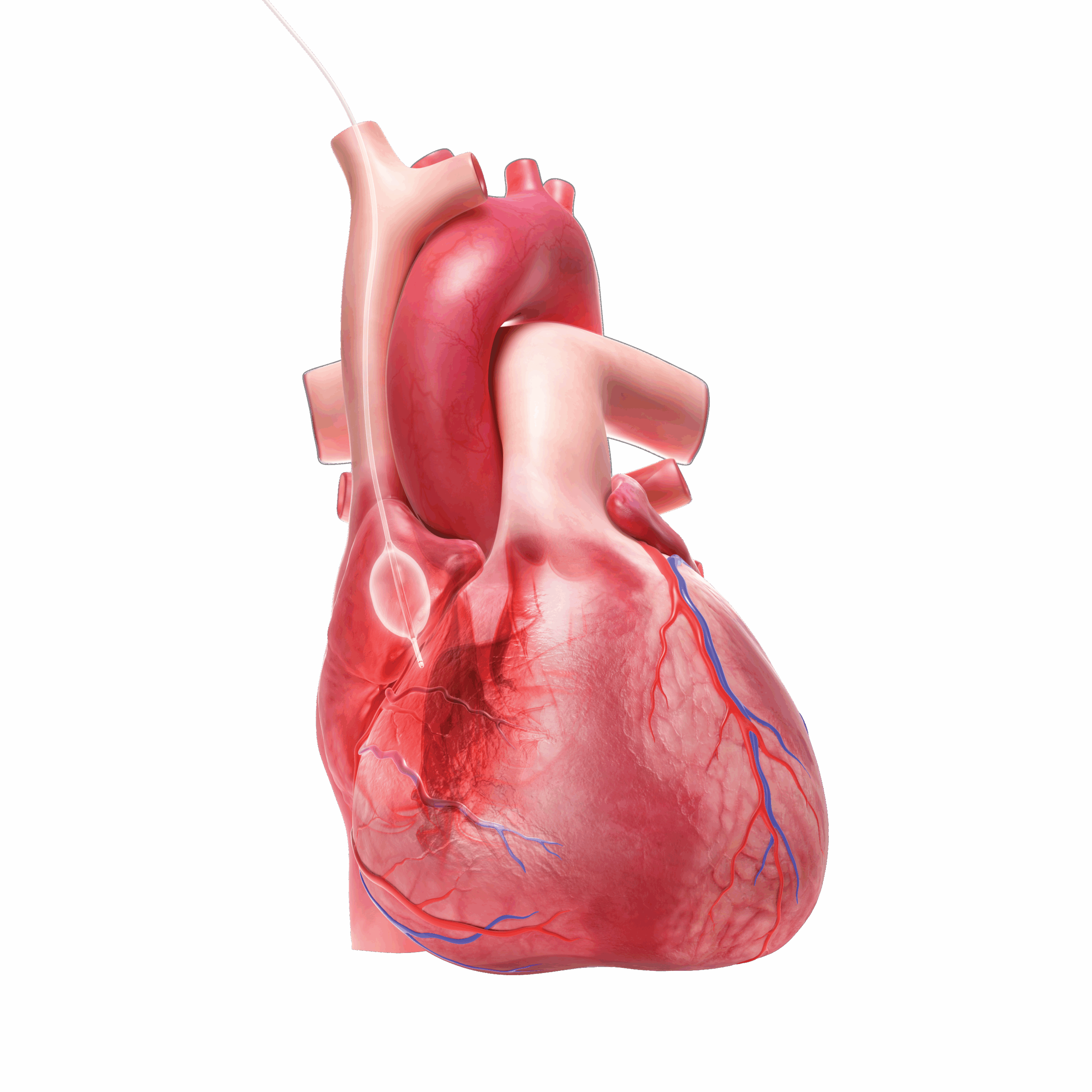
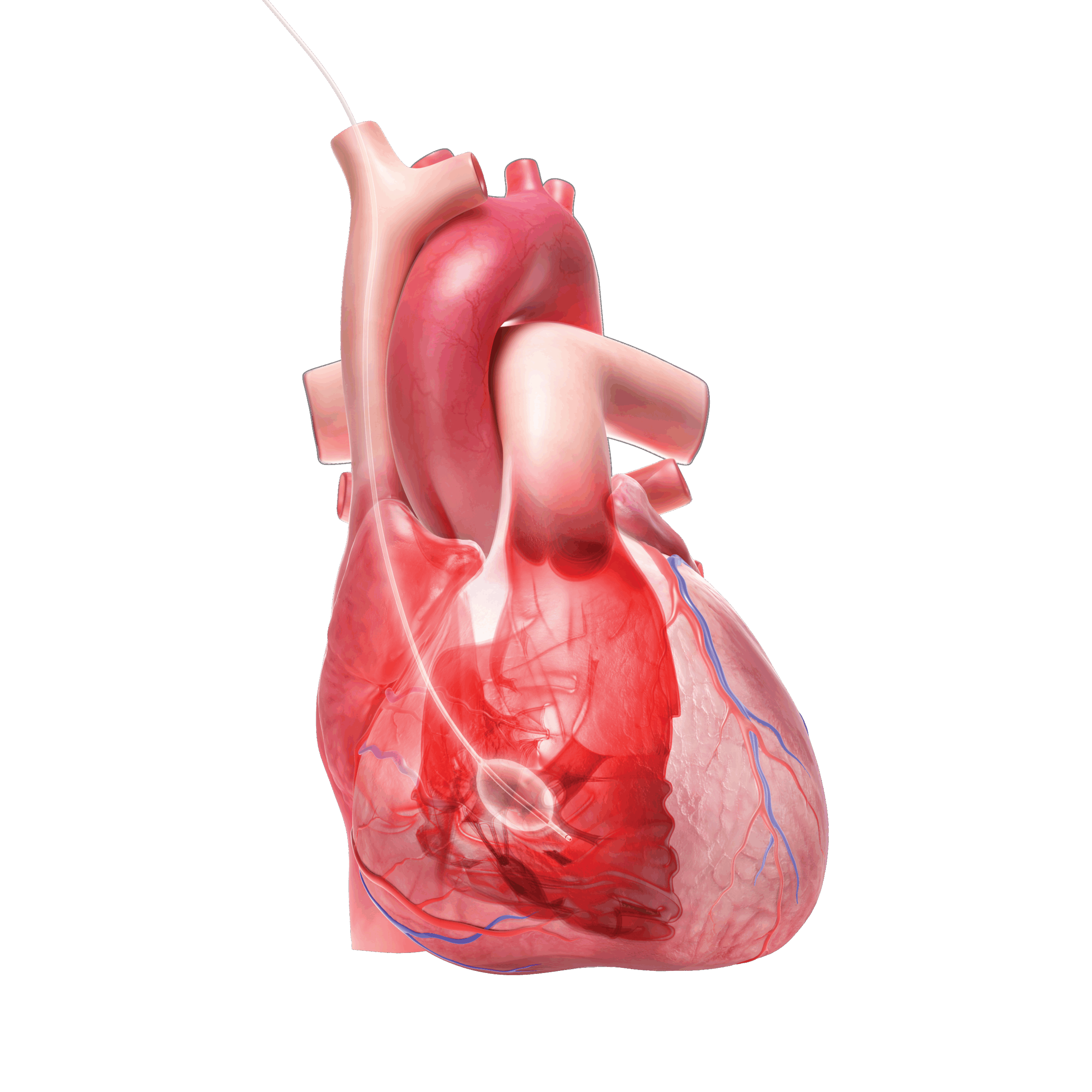

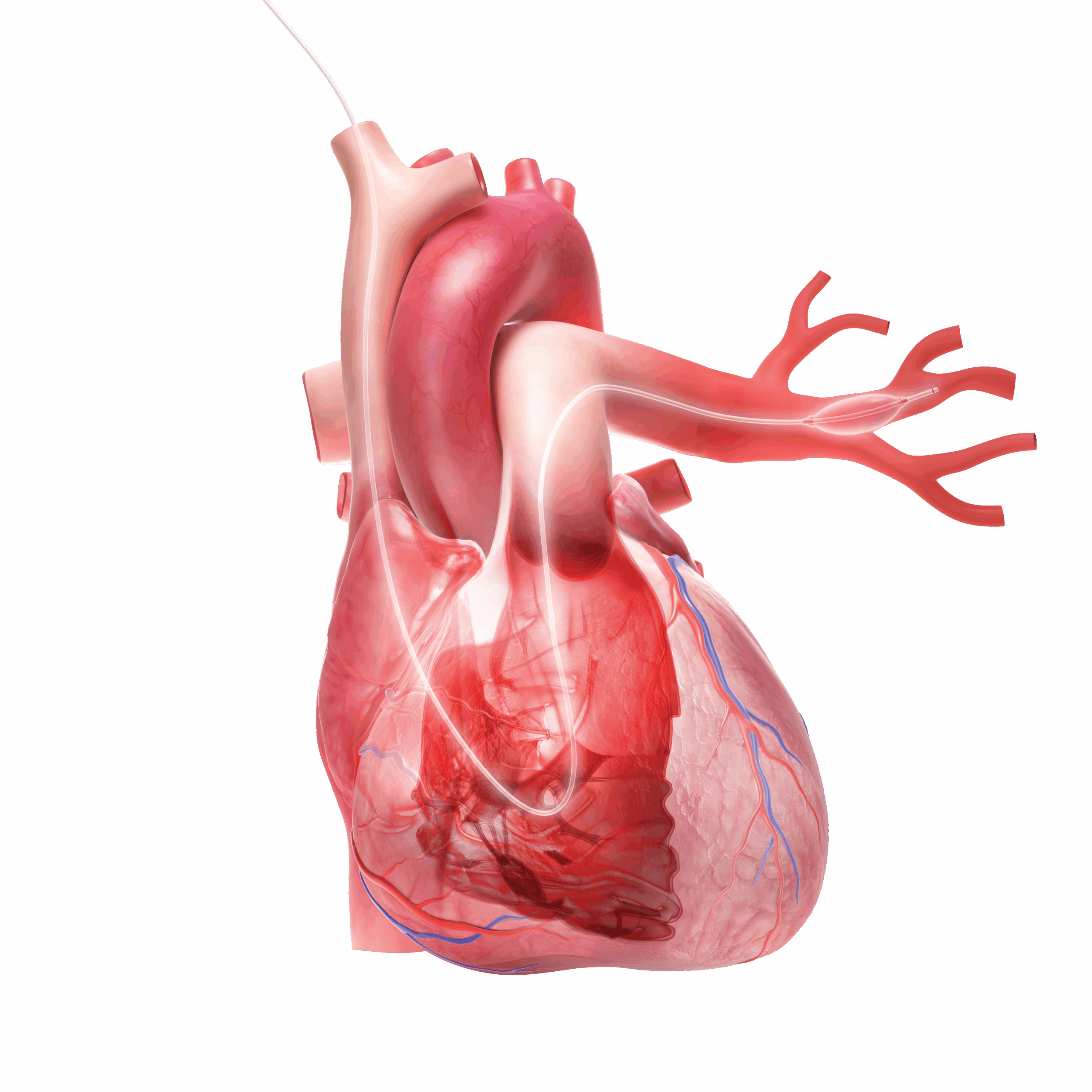
Acute vasoreactivity test
During a RHC, a doctor may test how certain short-acting drugs may change the heart and pulmonary pressures. The drugs, administered by IV or inhaled, cause the pulmonary arteries to relax.
A doctor will inject the drug through the catheter into the pulmonary artery or give the patient a gas called nitric oxide. The doctor will take several pressure measurements within a few minutes to look for significant drops in pulmonary artery pressures, or a “positive vasodilator response.”
This test determines whether a patient would benefit from a calcium channel blocker or begin to receive PAH specific therapies.
What type of PAH do you have?
The acute vasoreactivity test is one of several tests that are conducted to help determine what type of PH a patient has and to help determine what therapy might work best.
Tests for PAH type