


Pulmonary hypertension is a complex disease that affects people of all ages and at various stages of life. PH is often difficult to diagnose because symptoms may be non-specific or similar to other heart and lung conditions.
PH simply means high blood pressure in the lungs. With PH, blood vessels in the lungs can become stiff and narrow, impeding blood flow. As a result, the right side of the heart must work harder to pump blood to the lungs.
How does PH differ from ‘regular’ high blood pressure?
In “systemic hypertension” or high blood pressure, there is high pressure in the arteries throughout the body.
In PH, the pressure is higher in the blood vessels in the lungs.
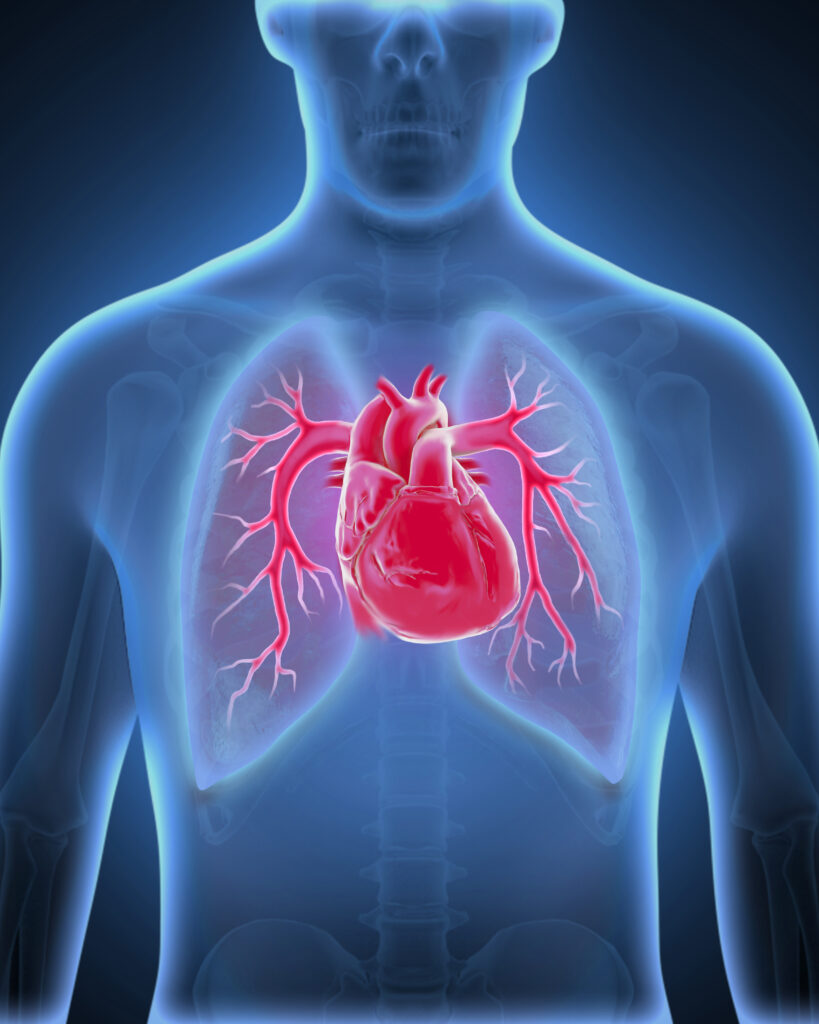
Types of pulmonary hypertension
Not all PH is the same. Pulmonary hypertension is classified into five types or groups, based on underlying causes. Each type is different, as is each patient.
Some types such as pulmonary arterial hypertension in Group 1 are rare, while others such as Group 2 PH associated with left heart disease are much more common.
People refer to the five types of PH as WHO Groups because the World Health Organization originally defined the types. Refinements within these classifications continue to be made as scientists learn more about the disease.
-
Group 1: Pulmonary Arterial Hypertension
PAH is caused when arteries in the lungs become narrowed, thickened and rigid. Group 1 PAH includes idiopathic and heritable PAH and can be caused by a variety of conditions, including congenital heart defects, connective tissue diseases and even drug use.
-
Group 2: PH Due to Left Heart Disease
Left heart disease is the most common cause of PH. In Group 2 PH, the arteries and lungs are not as thick and stiff as in PAH. Instead, PH in Group 2 is related to problems with how the left side of the heart functions.
-
Group 3: PH Due to Lung Disease and/or Hypoxia
Chronic obstructive lung diseases such as COPD or emphysema, restrictive lung diseases such as interstitial lung disease or pulmonary fibrosis, or a lack of oxygen through sleep apnea and high-altitude environments can all cause Group 3 PH.
-
Group 4: PH Due to Chronic Blood Clots in the Lungs
Scar tissue from old blood clots in the lungs can block normal blood flow and make the right side of the heart work harder, causing Group 4 chronic thromboembolic pulmonary hypertension or CTEPH.
-
Group 5: PH Due to Unknown Causes
Group 5 PH occurs with blood and metabolic disorders through mechanisms that are not completely understood. Associated conditions may include sarcoidosis, sickle cell anemia and thyroid disease.
What are the different WHO Groups of pulmonary hypertension?
Why is it important to know which WHO Group your diagnosis is in?
Diagnosing pulmonary hypertension
Symptoms of PH can be mistaken for other more common diseases such as asthma or chronic obstructive pulmonary disease. PH is rarely diagnosed through a routine exam and requires specific tests such as a right heart catheterization for an accurate diagnosis.
Symptoms and diagnosis
Learn more about what causes PH
Some types of PH are secondary to an associated condition. Pediatric PH may develop from other conditions or at birth.
-
Related Conditions
Some types of PH are secondary to an associated condition, such as sleep apnea, lupus or sarcoidosis. Sometimes PH may improve when the underlying condition is successfully treated.
-
Pediatric Pulmonary Hypertension
Children may be diagnosed with heritable or idiopathic pulmonary arterial hypertension or can develop PH related to congenital heart problems. Persistent PH of the Newborn is a complex form of PH that affects infants.
Understanding Pulmonary Hypertension Part 1
People with PH can live long, meaningful lives under the care of PH-treating health care teams and appropriate therapy. In fact, research has improved the outlook for people living with this disease and one day might lead to a cure.
Listen to the podcast
Find care
If you suspect you might have PH or if you’re newly diagnosed patient, it’s important to find a PH specialist who can develop a targeted treatment plan.
Use PHA’s directory of PH specialists and PHA-accredited PH Care Centers (PHCCs) to find specialists who have demonstrated the ability to diagnose and manage the complexity of pulmonary hypertension.