


CTEPH is caused by old blood clots in the lungs, called pulmonary embolisms. Most blood clots dissolve with treatment using blood thinners. But in some people, clots remain and cause lasting damage. In these cases, clots block the blood vessels in the lungs. Over time, blood vessels can also become still and narrow – similar to what happens in pulmonary arterial hypertension. CTEPH can develop even if you don’t remember having a clot. CTEPH can also develop from many small clots over time.
Video: Expert Overview of CTEPH
What are the symptoms of CTEPH?
Common symptoms include:
- Shortness of beath during activity
- Fatigue
- Palpitations (feeling like your heart is racing)
- Chest pain or a dry cough (less common)
As the condition progresses, you might also experience:
- Dizziness or light-headedness
- Swelling in the legs
- Abdominal pain
These symptoms are caused by rising lung pressure and strain on the heart.
If you have symptoms or risk factors, talk to your doctor. Early diagnosis is important.
Who gets CTEPH?
Experts estimate that 0.5 to 5% of people who’ve had a pulmonary embolism may be at risk for developing CTEPH. Your risk may be higher if:
- You had a large PE.
- You already had signs of PH at the time of your PE.
- You have a blood clotting disorder (though not all increase risk).
Other risk factors for blood clots include:
- Major surgery
- Bed rest
- Long car or plane travel
- Smoking
- Being overweight
- Pregnancy
- Hormone therapy or birth control containing estrogen
Diagnosing CTEPH
CTEPH can be hard to diagnose. CTEPH often is misdiagnosed because its symptoms are similar to other conditions such as asthma, COPD, heart failure or other forms of PH.
Doctors use several tests to confirm CTEPH and decide on the best treatment plan.
Common tests include:
Ventilation/Perfusion Scan (V/Q Scan). This is the most reliable screening test. It shows how well air and blood move through your lungs.
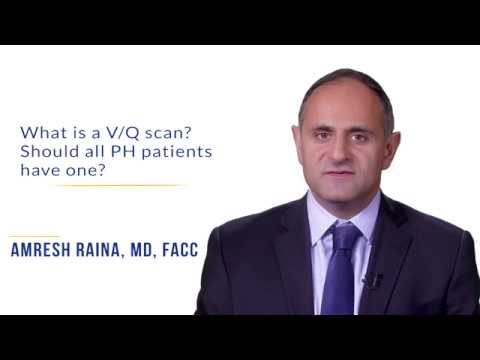
What is a V/Q scan? Should all PH patients have one?
Amresh Raina, MD, FACC explains why all patients diagnosed with PH should get a V/Q scan.
CT scan. This helps find blood clots and look at areas the V/Q scan can’t detect. A dye may be used.
Echocardiogram. An ultrasound of the heart that gives a first look at heart function and pressure.
Right-heart catheterization. A small tube is inserted into a vein (neck or groin) and guided into the heart. This test measures pressure inside the heart and lungs and confirms PH.
Pulmonary angiogram. Like a right-heart catheterization, but with dye to show where clots are. It helps doctors plan treatment.
Coronary angiogram. Done for patients who may have heart disease. If needed, doctors can treat this during PTE surgery.
Treatment options
CTEPH is unique because it can sometimes be cured with surgery. A procedure called pulmonary thromboendarterectomy (PTE or PEA) removes the blood clots from the lung arteries. However, not all patients are eligible for surgery. Some may benefit from medications or another procedure called balloon pulmonary angioplasty. An expert CTEPH team should evaluate anyone with CTEPH to determine the best treatment approach.
-
Pulmonary Thromboendarterectomy
Pulmonary thromboendarterectomy, also referred to as pulmonary endarterectomy, removes old clots from the lungs, a surgery that can potentially cure CTEPH.
-
Balloon Pulmonary Angioplasty
BPA is a less invasive option for patients who aren’t eligible for pulmonary thromboendarterectomy or PTE. Doctors guide a catheter into the lung vessels and inflate a tiny balloon to open blocked areas.
-
Adempas (riociguat)
For patients who can’t have surgery or who still have PH after surgery, Adempas (riociguat) is approved to lower pressure in the lungs and improve symptoms. Medications should only be used if you are not a candidate for PTE or still have PH after PTE. All patients should be evaluated by a CTEPH expert before starting medication.
Related videos
CTEPH: An overview of the Disease and Treatment
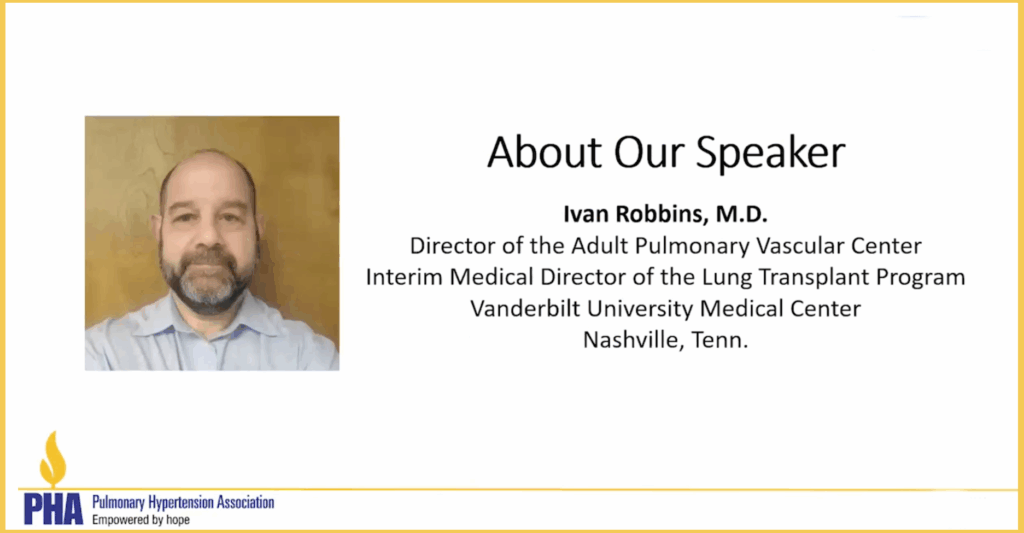
Ivan Robbins, M.D., discusses CTEPH, highlights the importance of diagnosis and shares treatment options for individuals with pulmonary hypertension.

CTEPH: A Patient’s Perspective
Angela Michelle, who was diagnosed with chronic thromboembolic pulmonary hypertension (CTEPH) in 2018 , shares her story for CTEPH Awareness Day.