


In PH due to left heart disease, the arteries and lungs are not as thick or stiff as Group 1 or PAH. In Group 2 PH, there are problems with how the heart squeezes or relaxes, or problems with the valves on the left side of the heart. Because of this, the left heart is unable to keep up with the blood returning from the lungs — causing a “backup” of blood which raises pressure in the lungs.
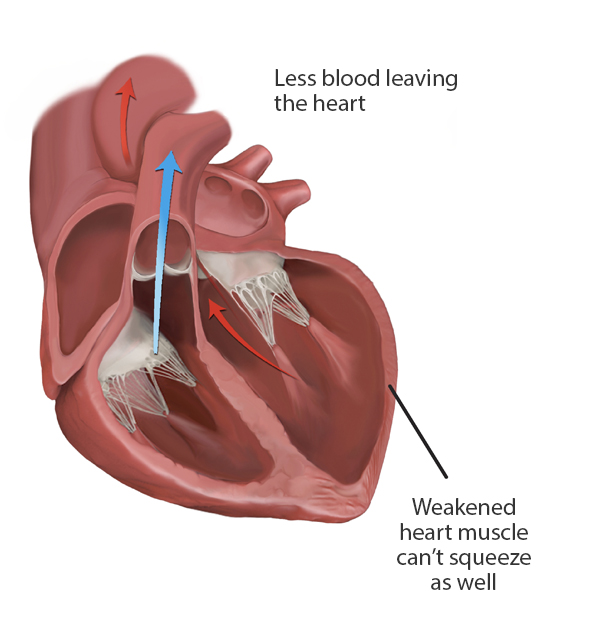
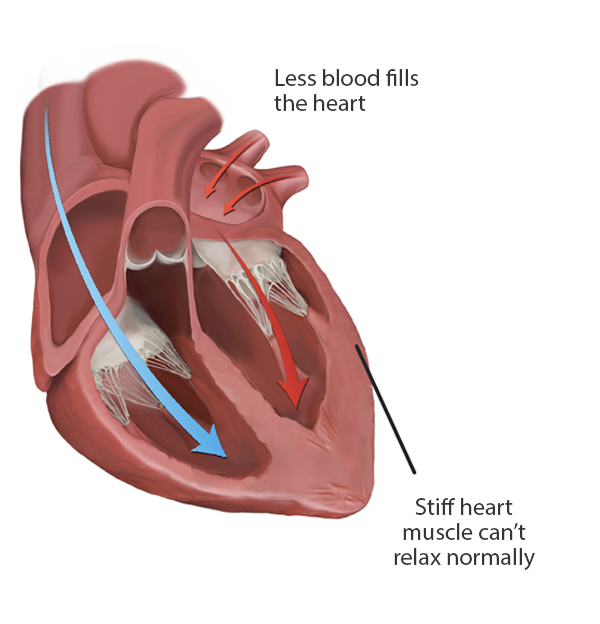
Kinds of PH associated with left heart disease
- PH due to fluid backup (isolated post-capillary PH).
- PH due to changes in the pulmonary blood vessels with evidence of fluid backup (combined pre- and post-capillary PH).
All forms of PH related to left heart disease are caused by high pressure in the left side of the heart. When pressures inside the heart are high, they increase the pressures inside the lungs.
In people with healthy hearts, blood flows from the right heart into the lungs and from the lungs into the left heart before it’s pumped to the rest of the body. In people with left heart disease, problems with the atrium, mitral or aortic valves or the left ventricle can cause fluid to back up into the lungs, which can lead to PH.
Signs and symptoms
The signs and symptoms of PH caused by left heart disease are similar to those of heart disease in general. People with left heart disease should talk to their doctors about getting tested for PH if they experience:
- Shortness of breath.
- Difficulty breathing while lying down.
- Swelling in the legs or stomach.
- Abdominal pain or distention.
- Decreased ability to exercise.
Risk factors for Group 2 PH
- Age (60 years and older)
- Coronary artery disease
- Heart failure
- Blockage (stenosis) or leakiness (regurgitation) of left aortic and mitral valves
- Atrial fibrillation
- Obesity (body mass index over 30)
- Diabetes
- High cholesterol
Diagnosing PH
Doctors who suspect PH in addition to left heart disease may order any of the following diagnostic tests:
- Echocardiogram
- Catheter to assess pressure in various veins
- Pulmonary function tests
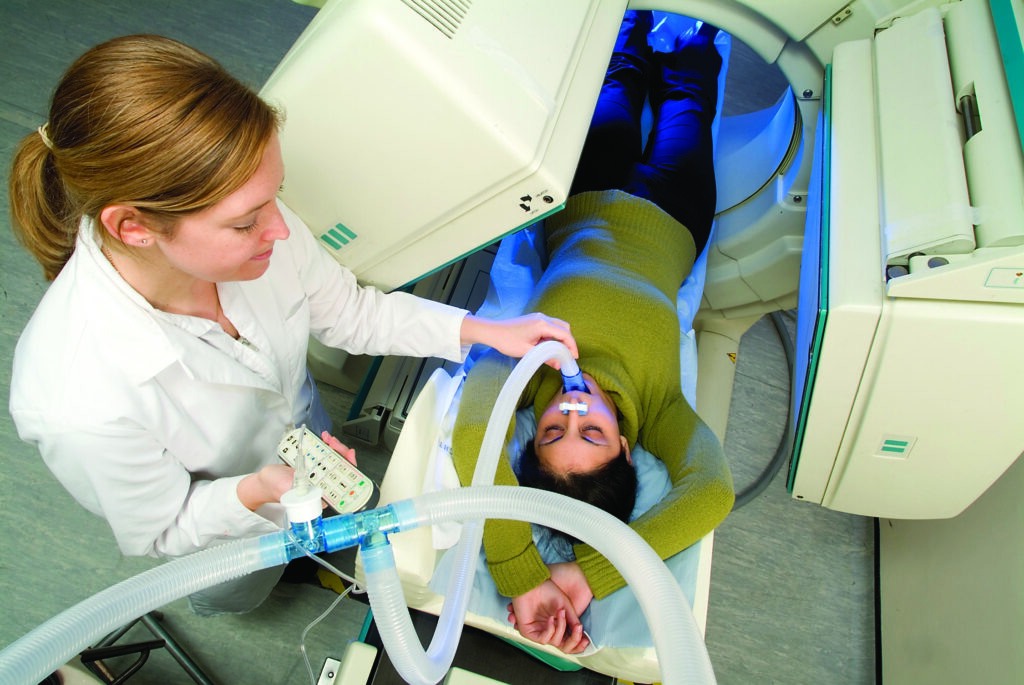
- Ventilation-perfusion (V/Q) scan
- Natriuretic peptide tests
- Right heart catheterization
Treatment options
While there are no FDA-approved therapies specifically for PH caused by left heart disease, research in this area is ongoing. Many supportive therapies are available that can improve symptoms and quality of life:
- Diuretics eliminate fluid buildup by pushing the kidneys to excrete urine.
- SGLT2 inhibitors for heart failure with or without PH are used for most people with PH due to left heart disease.
Another key factor for treating PH in left heart disease is to understand what causes the PH. For example, catheter-based and surgical treatments can fix some mitral and aortic valve problems and dramatically reduce lung pressure.
For problems with the heart muscle, medications that improve heart function over time can reduce lung pressure. Mechanical therapies, such as inter-atrial septal and ventricular-assistance devices, can reduce left heart pressure and improve PH for various types of heart disease.
Manage your left heart disease
People with PH due to left heart disease often are advised to limit fluid and salt intake to prevent excessive water retention. Aerobic exercise is thought to be beneficial and is associated with symptom improvement.
-
 Managing Salt and Sodium Consumption
Managing sodium in your diet is one of the most effective ways to reduce water retention, which reduces strain on your heart.
-
 Exercise and Pulmonary Hypertension
Regular exercise can improve exercise capacity, muscle function and quality of life for patients with pulmonary hypertension.
Risk factors for developing PH
Sometimes PH is related to other diseases and conditions. These associated disease or conditions are among those that can increase your risk of developing Group 2 PH.
-
 HHT
HHTHereditary hemorrhagic telangiectasia is a genetic disorder that causes abnormalities of blood vessels, usually resulting in excessive bleeding.