
Skip to content
Go to homepage
Donate

Transplant and Procedures

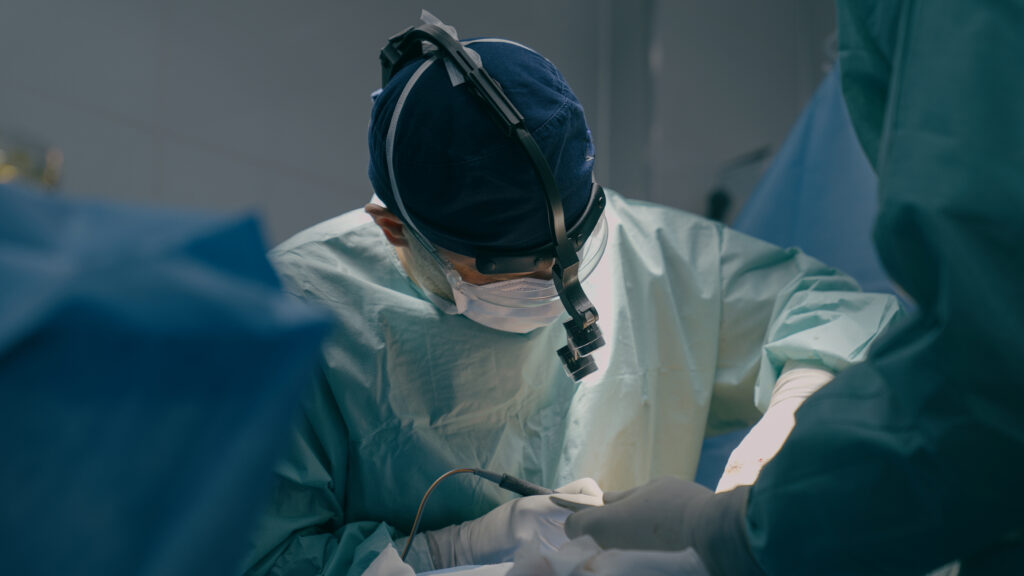
Surgeries and interventional procedures for pulmonary hypertension include pulmonary thromboendarterectomy, balloon pulmonary angioplasty, atrial septostomy, reverse Potts shunt, and lung or heart-lung transplantation. 

While there are many targeted treatments for pulmonary hypertension, interventional and surgical procedures may be the best option for some patients.

  • It is recommended that PH patients discuss transplant options with their PH specialist early in their PH journey.
  • Pulmonary thromboendarterectomy and balloon pulmonary angioplasty are procedures for patients with chronic thromboembolic pulmonary hypertension.
  • Atrial septostomy and reverse Potts shunt are often performed on infants and children but can also be used on adults as a palliative measure to improve blood flow and symptoms.
  • Some patients may benefit from ECMO, veno-arterial extracorporeal membrane oxygenation, as a bridging therapy.

Learn more about transplant and procedures for PH

  • Lung or Heart-Lung Transplant 

    Lung or heart-lung transplantation provide an option for some individuals who are no longer responding significantly to available medical therapies for pulmonary hypertension. Transplantation may extend and improve a patient’s quality of life but requires life-long care and medications.

  • Pulmonary Thromboendarterectomy 

    Pulmonary Thromboendarterectomy (PTE or PEA) is a type of open-heart surgery that removes old, hardened blood clots from the arteries in your lungs.

  • Balloon Pulmonary Angioplasty for CTEPH 

    Balloon pulmonary angioplasty, also known as BPA, is a catheter-based procedure used to open narrowed or blocked pulmonary arteries caused by chronic thromboembolic pulmonary hypertension.

  • Atrial Septostomy

    An atrial septostomy is the creation of a hole in the wall (septum) between the two upper chambers (atria) in the heart. This allows some blood flow across the hole, skipping the lungs.

  • ECMO Therapy

    While not a cure, ECMO is used to provide treatment support by pumping blood through your body, aiding breathing, improving oxygen levels and allowing the heart to rest.

  • Reverse Potts Shunt

    The reverse Potts shunt is a surgical connection created in children that lack the proper blood flow into the lungs. The shunt connects the lower (descending) aorta and the left pulmonary artery to allow blood to go from the aorta into the lung arteries.

Pediatric transplant and procedures

  • Transplant and Your Child

    If your child’s PH is not responding to medications, lung transplantation may be an option. While lung transplant will eliminate your child’s PH, there are significant risks and responsibilities associated with this therapy.

  • Reverse Potts Shunt

    The reverse Potts shunt is a surgical connection created in children that lack the proper blood flow into the lungs. The shunt connects the lower (descending) aorta and the left pulmonary artery to allow blood to go from the aorta into the lung arteries.

  • Atrial Septostomy

    An atrial septostomy is the creation of a hole in the wall (septum) between the two upper chambers (atria) in the heart. This allows some blood flow across the hole, skipping the lungs.

Back to Top