


Everyone recovers from transplant at a different pace, and it is normal to have good days and bad days. Some of the medications you will be taking may also affect your mood or emotions. You are not alone – your transplant team will be with you every step of the way during your recovery and as you adjust to life with your new organ.
Some people find they have trouble adjusting to functioning independently of their caregiver. Alternatively, some people find that their friends, family and co-workers still treat them as if they are sick despite a full recovery. Physical ailments and financial pressures post-transplant can cause strain on individuals, families and marital relationships. Receiving new lungs or a new heart and lungs can radically improve life for a PH patient but there are emotional aspects to consider.
Emotional issues after transplant
Getting a transplant can be life-changing in many ways – physically and emotionally. It’s a major surgery followed by a long recovery, and it’s normal to have a mix of feelings.
What emotions are common?
- Relief and gratitude
- Anxiety about the future
- Guilt about the donor
- Worry about rejection or complications
- Sadness or mood swings from medications
- Stress from the hospital or ICU environment
Everyone recovers at their own pace. Some says will feel great; others might feel harder.
Pain management
Not having enough pain control can lead to stress, restlessness or poor sleep. Don’t be afraid to ask for help.
Ventilators and tubes
Being unable to talk while on a breathing tube can be scary or frustrating. Use writing boards or gestures if you need to communicate.
Hospital environment
the ICU can be noisy, unfamiliar, and overwhelming. Let your care team know if you’re feeling anxious or confused – they’re there to help.
Medication side effects
Some transplant medicines can cause mood swings, irritability or depression. Talk to your doctor if this happens. These side effects are treatable.
Complications
Dealing with rejection, infections or setbacks can be discouraging. Remember: your care team is trained to manage these challenges.
Feeling disconnected
It’s common to struggle with the idea of living with someone else’s organ. You may feel guilty or distant from your new lung. These are valid feelings, and support is available.
How to take care of your mental health
- Ask to speak with a counselor or social worker
- Talk openly with loved ones
- Join a transplant support group
- Try relaxation or stress-reduction tools (like deep breathing, meditation or journaling)
- Ask for visits from other transplant recipients – hearing from someone who’s been through it can help
Life after transplant can feel like a second chance – but adjusting isn’t always easy. It’s common to have ongoing emotional ups and downs, even months or years after surgery.
Common feelings over time
- Fear of rejection or infection. You may worry about something going wrong. Routine checkups and open communication with your care team can ease these fears.
- Guilt about the donor. Some recipients struggle with knowing that someone dies so they could live. Talking with a counselor or spiritual advisor may help.
- Pressure to be positive. Others may expect you to feel grateful all the time. It’s okay to feel tired, frustrated or even sad. These emotions are valid.
- Frustration with limits. Even after recovery, you may still face challenges like fatigue, side effects or lifestyle changes. That doesn’t mean you’ve failed.
Coping strategies
- Stay connected to other transplant recipients who understand what you’re going through.
- Be honest with your transplant team about how you’re feeling emotionally – not just physically.
- Make time for things that bring you joy and purpose, even if they’re small.
- Give yourself grace. Healing isn’t just about your body – your heart and mind are healing too.
Transplant for Pulmonary Hypertension
Did you know PHA has a support group that is focused on transplant patients who formerly had pulmonary hypertension?
Join the group
How others cope post transplant
-
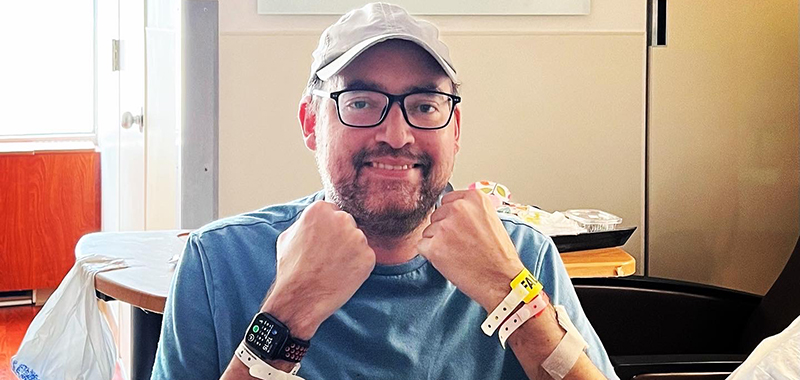 Social Worker Celebrates Post-Transplant Life
Social worker and PHA volunteer Patrick Mellin of received a double lung transplant in 2023. He shares his emotional and physical roller coaster with PHA for National Donate Life Month. “Transplant is not a cure, it’s another chance at life,” he says. Read his Right Heart blog post.
-
 Utah Support Group Provides Community and Healing
Lala Juarez of Salt Lake City, Utah, was diagnosed with pulmonary arterial hypertension in 2015 after two years of misdiagnosis. Jaurez, who leads the Northern Utah PHA Support Group, received a double lung transplant in 2021.