



Healthcare professionals caring for people with pulmonary hypertension work to help them have the best possible quality of life, including helping them enjoy many of their favorite activities. To prepare for rising temperatures this summer, pediatric cardiologists Usha Krishnan and Sanjeev M. Gupta of Columbia University Medical Center share advice to help you understand your symptoms, adjust your favorite summer activities and prepare for the unexpected.
People with PH may be more susceptible to overheating and dehydration because certain PH medications can interfere with how the body regulates temperature and fluid levels. For example, the body regulates its temperature by sweating and increasing blood flow to blood vessels in the skin.
If you take a pulmonary vasodilator, your blood vessels may already be dilated and may not be able to dilate further to release heat. Similarly, diuretics may support heart and lung health, but high temperatures can increase your risk of dehydration while taking them.
Listen to your body
The human body maintains a balance among core temperature, fluid levels and acid-base levels. The higher the heat index, the more likely your body is to experience an imbalance of one of these variables, which can worsen your PH symptoms.
Signs that you are pushing yourself too hard may include a fast heart rate that does not return to normal after you stop the activity, shortness of breath, fatigue, headaches, dizziness, dry mouth, decreased urination, dark urine, low blood pressure, weakness, nausea or muscle cramps. Do not wait for these signs to appear before resting. They may indicate that your body is already out of balance.
If you experience these symptoms, move to an air-conditioned environment, drink cool water, place a cold towel on your body, sit down and ensure you have help readily available.
To keep your body in balance and avoid these symptoms, don’t skip meals, take frequent breaks and discuss a hydration plan with your care team.
If you take diuretics, your doctor may not want you to drastically increase your fluid intake. However, you may need additional fluids if you are losing more through sweat. If you are not on diuretics and your heart function is stable, your care team may recommend increasing your water intake throughout the day. Many PH treatment plans include a daily fluid limit. Follow the limit recommended by your care team and take small sips of water throughout the day to stay hydrated.
Thirst is a late sign that you need to drink water. Prioritize water over other drinks. Caffeine and alcohol, both diuretics, can increase urine output and contribute to fluid loss regardless of if you are well hydrated or not. Also, be cautious with sports drinks. Although they are marketed for hydration, they may contain high levels of sugar, which can affect hydration levels.
Monitor daily forecasts
To help regulate your body temperature, limit your exposure to heat by performing outdoor activities in the early morning or late afternoon. Download a weather app and check the forecast to determine when the temperature and the heat index will peak. The heat index accounts for the humidity, which can limit the body’s ability to cool itself as sweat evaporates from the skin. When the heat index is higher than 80 degrees Fahrenheit, consider limiting outdoor activity by staying indoors or taking frequent breaks inside. Drink cold water according to the hydration plan established with your care team.
Travel tips
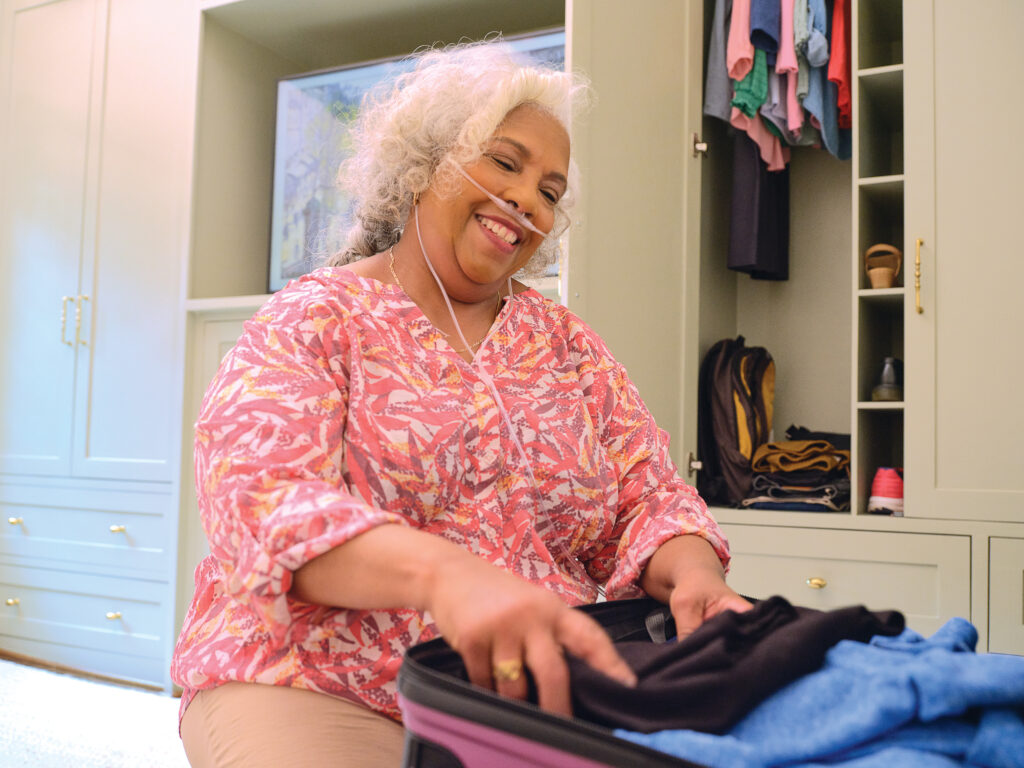
Living with PH does not mean you have to cancel your summer travel. However, you may need to take additional precautions.
Before flying, ask your doctor whether you need supplemental oxygen, as your airline and insurance company may require advance notice and documentation to make these accommodations.
Always pack for the unexpected. Make sure to carry an extra supply of medications in case your return home is delayed. Also, excessive heat can break down certain medications, including epoprostenol, treprostinil and iloprost, so make sure you don’t leave medications in the car or anywhere exposed to heat. Follow the storage instructions provided with each medication.
Adapt summer activities
Certain summer activities should be avoided, specifically those that increase your heart rate rapidly, put you at risk of low oxygen levels or involve straining. Examples include roller coasters, trampolines, scuba diving, diving, heavy weightlifting or water skiing.
If you are camping or going “off the grid,” carry a fully charged phone and portable power bank. Look up local emergency numbers and rescue numbers in advance and consider carrying a backup satellite communicator if you expect to be outside of cellphone coverage. Also, research where the closest major hospital is located in case of an emergency, and wear a medical identification tag.
When attending outdoor events such as concerts, theme parks or festivals, be mindful of your limits. Don’t be afraid to ask for help or let your family and friends know you’re tired.
Be wary of long lines, especially when exposed to high temperatures. Ask about medical exemptions if your activity involves waiting in long lines. If you have to stand in place, try to keep moving on your feet or marching in place to keep blood circulating in your legs.
Most importantly, listen to your body. If you feel lightheaded, weak or experience tunnel vision; ask for help immediately and sit or lie down. At concerts, stay near an exit, locate the medic tent in advance and avoid being in the center of a large crowd. That way, you can leave quickly and seek help if symptoms arise.
Stay active safely
Maintaining daily aerobic exercise can benefit people living with PH; however, you should do so safely. Start slow and advance gradually and include extended warmups and cooldowns to limit abrupt changes in heart rate and pulmonary pressure.
Depending on the severity of your PH and heart condition, your recommended level of exercise may be submaximal, meaning your heart rate should not approach its maximum level. Ask your care team to establish a safe target heart rate based on your condition and fitness level.
You may also improve safety by monitoring your oxygen level and discussing any drops in oxygen saturation with your doctor. If you wear a commercially available activity monitor, such as an Apple watch or Fitbit, you may be able to track your heart rate during exercise. Discuss any changes with your doctor or exercise physiologist to establish appropriate limits.
Choosing the right environment to exercise in is important. Exercising indoors in air conditioning can reduce heat exposure and the risk of dehydration. Walking or running on a treadmill, cycling and swimming may be appropriate aerobic activities. Ask your healthcare team which exercises are safe for you.
Light resistance exercises may be appropriate, but heavy lifting can cause strain and may worsen PH symptoms. Choose a weight you can lift for about 20 repetitions without straining. Even light lifting can improve strength. You should never feel lightheaded or dizzy. Some shortness of breath may be expected, but you should still be able to speak in full sentences.
Before starting any new activity or exercise, consult your healthcare team and start gradually. For example, if you are planning a hike, start preparing several weeks in advance by slowly increasing your distance and effort. The 2006 Circulation study, “Exercise and Respiratory Training Improve Exercise Capacity,” found that after 15 weeks of low-intensity exercise, patients increased their six-minute walk test distance by an average of 96 meters and reported improved quality of life. Interestingly, many improvements began as early as three weeks into the exercise program, suggesting that gradual, consistent exercise can provide meaningful benefits.
Discuss treatment plan changes
During the summer, your systemic blood pressure, or the pressure measured with an arm cuff, may run slightly lower than it does during colder months. Many PH medications also lower systemic blood pressure and pulmonary arterial pressures. If you feel weak, tired or lightheaded, your blood pressure may be low because of your medication, the heat or both. Make sure you are well hydrated, check your blood pressures regularly and discuss your symptoms with your doctor.
If you take a diuretic, the summer heat can increase your risk of dehydration, especially if you exercise outdoors or spend extended periods in the heat. Ask your doctor whether your diuretic dose or fluid intake should be adjusted during periods of increased sweating.
Throughout the summer, enjoy the beautiful nature and sunshine while paying close attention to your body. Monitor your symptoms, prepare for the heat and contact your care team with questions or concerns.
Managing daily life
Find tools, tips and resources to manage those challenges and prepare for emergencies.