


Pulmonary hypertension associated with congenital heart disease is a type of pulmonary arterial hypertension that results from various heart and blood vessel abnormalities that often fall into two categories: simple (a single abnormality) or complex (multiple abnormalities).
When CHD leads to PH, it’s often because of increased blood flow and pressure into the blood vessels in the lungs. The increased flow results from defects or shunts in the heart or the major vessels.
Common examples of this type of CHD include holes between the upper heart chambers (atrial septal defects) or the lower heart chambers (ventricular septal defects). In those cases, blood that has already gone through the lungs flows from the left heart into the right heart and then back into the lung vessels. If there is enough extra flow for a long enough time, the lung vessels may become thickened and rigid, and the pressure within them will increase.
Eisenmenger syndrome
If the pressure in the blood vessels in the lungs increases enough, the flow across the defect in the heart will start to move in the opposite direction. As a result, poorly oxygenated blood flows back to the rest of the body, which lowers the overall blood oxygen level and causes cyanosis (blue fingers and lips).
Eisenmenger SyndromeSurgical repairs
It is important to detect heart defects and shunts as early as possible so doctors can more easily correct them, which can help prevent PH.
Pediatric Pulmonary Hypertension
Risk for CHD-related PH
CHD occurs in about one in 100 children, making it one of the most common congenital conditions. People with CHD live much longer today because of recent improvements in surgery, treatments and medications. There are now more adults — about 1.4 million in the U.S. — than children with CHD.
Three to 10% of people with CHD will develop PH. PH with CHD can significantly worsen symptoms and lead to a shorter lifespan, so it’s important to secure proper diagnosis and treatment for PH and CHD.
Diagnosing PH
Doctors who suspect PH in addition to congenital heart disease can order any of the following diagnostic tests.
- Echocardiogram
- Pulmonary function tests
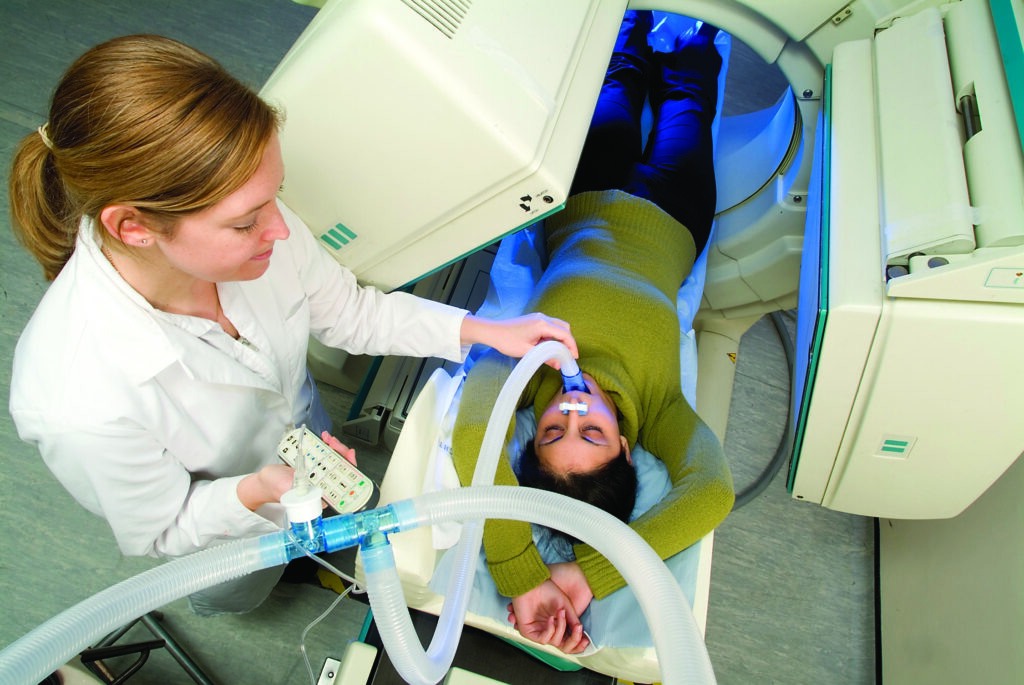
- Ventilation-perfusion (V/Q) scan
- Natriuretic peptide tests
- Right heart catheterization
Many people with CHD-associated PH have low blood oxygen levels. Some also have varying degrees of lung disease. Oxygen therapy hasn’t definitively shown to improve exercise tolerance or survival, but it might improve symptoms.
Supplemental Oxygen TherapyMost people with CHD-associated PH benefit from regular, low- to moderate-intensity exercise such as walking. In most cases, patients should avoid high-intensity exercise because it’s usually not well tolerated.
Exercise and Pulmonary HypertensionAnticoagulants are blood thinners used to prevent clots. Many people with CHD-associated PH have increased risk of bleeding, so the benefits and risks of anticoagulation must be carefully balanced. Aspirin may be preferable to a direct-acting anticoagulant for many patients.
People with CHD-associated PH can develop fluid buildup in their abdomen or legs. When this happens, diuretics (water pills) can help remove excess fluid. Doctors will adjust the medications to prevent dehydration, which can lead to kidney damage, low blood pressure and a dangerous thickening of the blood.
The low blood-oxygen levels in people with Eisenmenger Syndrome can cause the body’s blood cell count to increase. Drawing blood generally isn’t recommended because it can cause blood to thicken, particularly if fluid isn’t adequately replaced. Iron deficiency is common and should be addressed.
Many people with CHD-associated PH have low blood oxygen levels. Some also have varying degrees of lung disease. Oxygen therapy hasn’t definitively shown to improve exercise tolerance or survival, but it might improve symptoms.
Most people with CHD-associated PH benefit from regular, low- to moderate-intensity exercise such as walking. In most cases, patients should avoid high-intensity exercise because it’s usually not well tolerated.
Anticoagulants are blood thinners used to prevent clots. Many people with CHD-associated PH have increased risk of bleeding, so the benefits and risks of anticoagulation must be carefully balanced. Aspirin may be preferable to a direct-acting anticoagulant for many patients.
People with CHD-associated PH can develop fluid buildup in their abdomen or legs. When this happens, diuretics (water pills) can help remove excess fluid. Doctors will adjust the medications to prevent dehydration, which can lead to kidney damage, low blood pressure and a dangerous thickening of the blood.
The low blood-oxygen levels in people with Eisenmenger Syndrome can cause the body’s blood cell count to increase. Drawing blood generally isn’t recommended because it can cause blood to thicken, particularly if fluid isn’t adequately replaced. Iron deficiency is common and should be addressed.
Avoiding pregnancy
CHD-associated PH carries an increased risk for mother and fetus during pregnancy. People with Eisenmenger Syndrome have up to a 50 percent risk of maternal death and a 40 percent risk of miscarriage. People with CHD-associated PH generally should avoid pregnancy and discuss birth control options with their doctor.
PH, Pregnancy and Contraception
Download or order a brochure
Information on PH and congenital heart disease is one of a series of PH & brochures available to download as a PDF or to order as a printed brochure.
PH & CHD